
Shading, Harvesting, and Grinding
Posted by Aiya Matcha on Nov 18th 2026 Reading time:
Why These Steps Define Quality
When people talk about high quality Matcha, they often focus on taste, color, or price. But those qualities are not accidental. They are the direct result of three critical steps in Matcha production: shading, harvesting, and grinding. Each step shapes how Matcha looks, tastes, and feels in your cup.
Understanding these processes makes it easier to recognize good Matcha and appreciate why truly great Matcha stands apart.
What Makes High Quality Matcha?
High quality Matcha is defined by three key production steps: shading, harvesting, and grinding. Shading increases chlorophyll and amino acids, harvesting selects the youngest and sweetest leaves, and stone grinding creates the ultra fine texture Matcha is known for. Together, these steps determine Matcha's color, flavor, aroma, and smoothness.
| Production Step | Impact on Quality |
|---|---|
| Shading | Increases chlorophyll and L-theanine, creating vibrant color and umami flavor |
| Harvesting | Selects young leaves with sweeter flavor and smoother texture |
| Grinding | Produces fine powder that improves texture, aroma, and mixing ability |
Shading: Where Matcha Begins
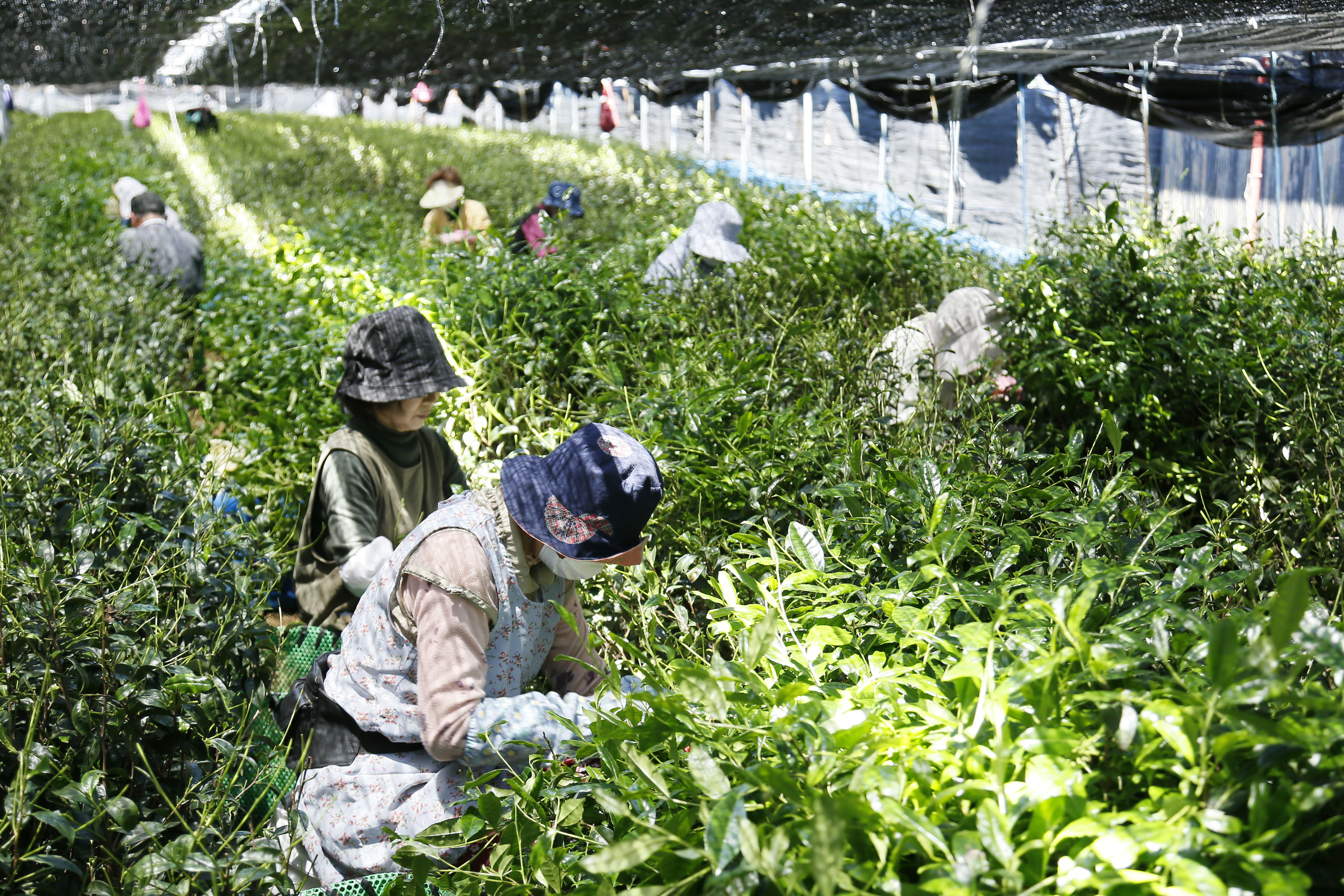
Shading is what transforms ordinary green tea (Sencha) leaves into Matcha. Several weeks before harvest, tea plants are covered to block a large portion of sunlight. This change forces the plant to adapt.
With less sunlight, the leaves produce more chlorophyll, which deepens their green color. At the same time, amino acids like L-theanine increase, while bitterness-causing catechins are reduced. This balance is what gives high quality Matcha its signature sweetness, umami, and smooth finish.
Lower quality Matcha is often shaded for a shorter time or not shaded at all. The result is a duller color and a sharper, more astringent taste.
Harvesting: Timing Is Everything
Not all tea leaves are created equal. For Matcha, timing and selection matter just as much as shading.
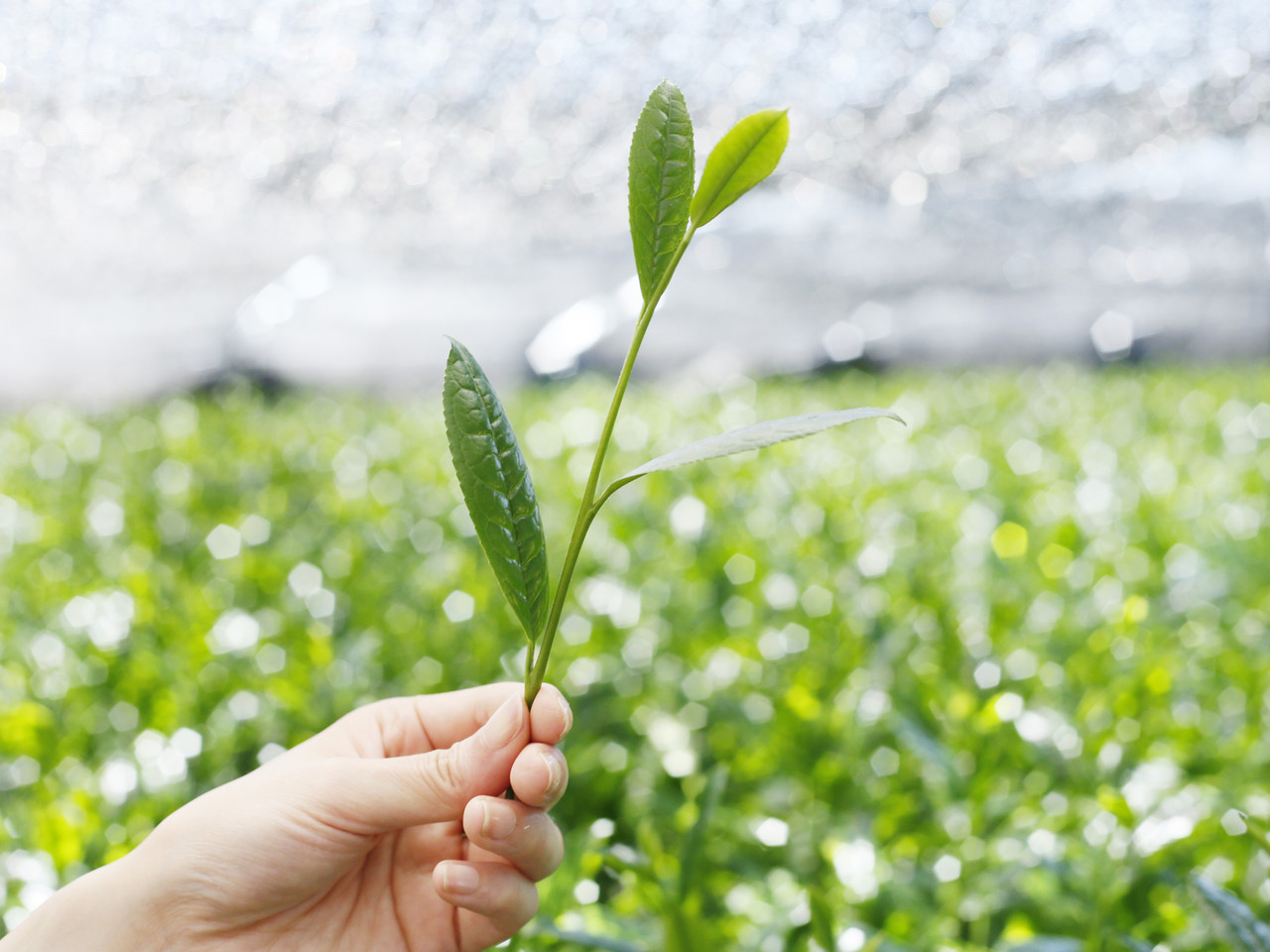
The first harvest occurs in spring when tea plants have spent the winter storing nutrients. These leaves typically contain higher concentrations of amino acids and produce a sweeter, more balanced flavor profile than leaves harvested later in the season. Only the top, youngest leaves of the plant are picked, since they contain the best balance of flavor and texture.
Later harvests produce tougher leaves with more bitterness. These leaves are often used for culinary Matcha or other green tea products rather than ceremonial Matcha.
Careful harvesting also includes removing stems and veins after the leaves are steamed and dried. This step ensures the final powder will be smooth, not gritty.
Grinding: Where Texture Is Decided
After harvesting and processing, the leaves are called Tencha. Tencha is not Matcha yet. It becomes Matcha only after it is ground into a fine powder.
Traditional granite stone mills can take up to an hour to produce just 30 to 40 grams of Matcha, which helps preserve aroma, texture, and color. The stones turn gently, preventing heat buildup that could damage flavor and color. This method produces an ultra fine powder that dissolves smoothly in water.
How These Steps Work Together
Shading creates sweetness and vibrant color. Harvesting preserves delicacy and balance. Grinding locks in texture and aroma. When all three steps are done with care, the result is Matcha that feels creamy, tastes complex, and looks vividly green.
If any step is rushed or compromised, quality suffers. Bitter flavor, pale color, and chalky texture usually trace back to shortcuts taken during one of these stages.
What This Means for You
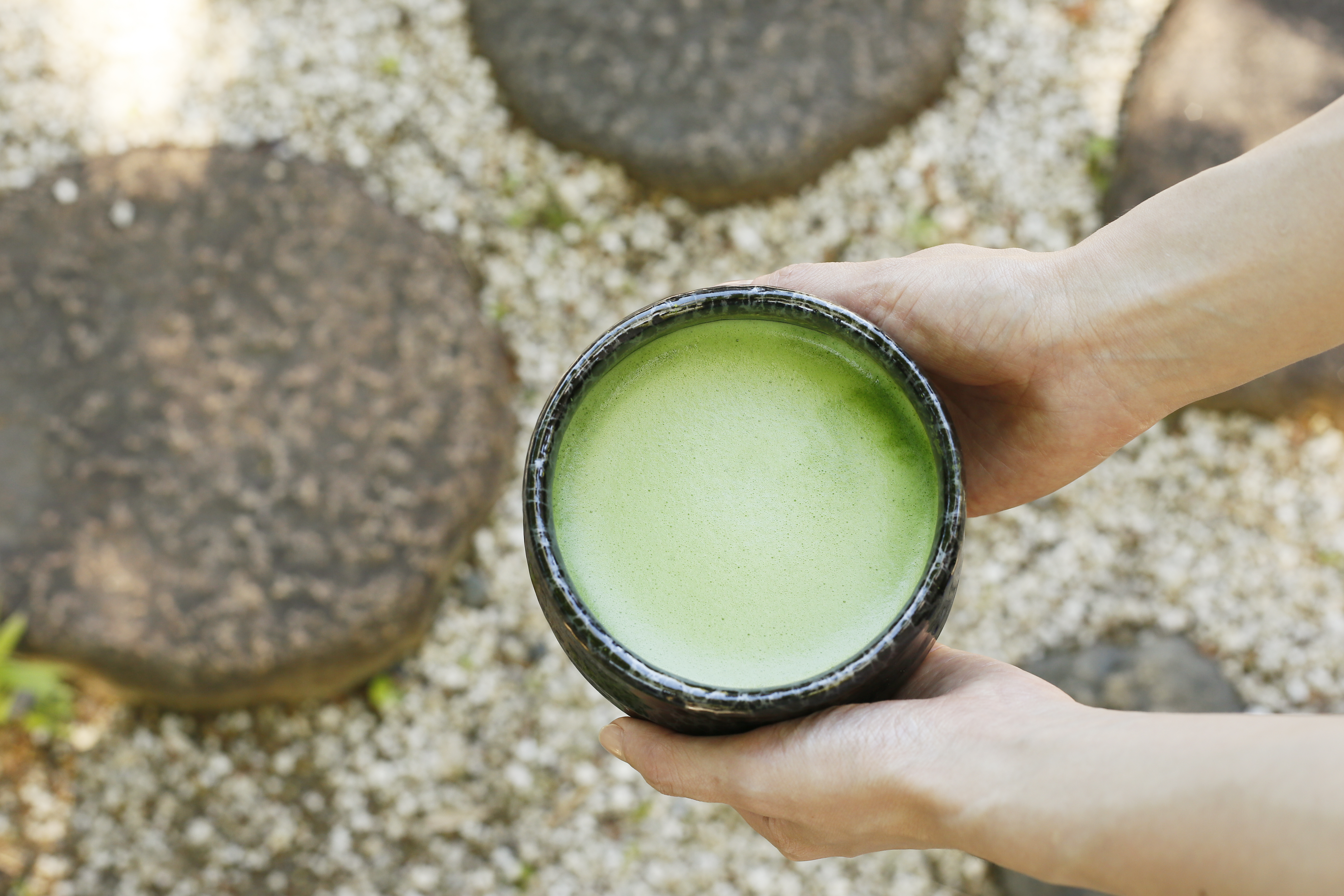
High quality Matcha is not defined by a single factor. It is the result of deliberate choices made long before the powder reaches your bowl. Shading, harvesting, and grinding are not background details. They are the foundation of Matcha quality.
When you know what goes into producing great Matcha, you start to taste it differently. The smoothness, sweetness, and depth are no longer a mystery. They are the result of craftsmanship, patience, and respect for the process.
Frequently Asked Questions About Matcha Quality
Why is Matcha shade grown?
Matcha is shade grown to increase chlorophyll and amino acid production while reducing bitterness.
Does first harvest Matcha taste different?
Yes. First harvest Matcha is typically sweeter, smoother, and more complex than later harvests.
Why is stone-ground Matcha preferred?
Stone grinding produces a finer texture and minimizes heat, helping preserve flavor and color.
What determines Matcha quality?
Quality is largely determined by shading duration, leaf selection, harvest timing, processing methods, and grinding technique.
Related information: