
Matcha is a premium Japanese green tea powder made from the finest shade-grown tea leaves. For over 800 years, Matcha has been the focal point of Zen Buddhist monks as a revered form of art, an instrument for meditation, and a valued ingredient for health.
Best known for its healthy superfood qualities, Matcha is extremely high in antioxidants, amino acids, and other nutrients. Enjoy it traditionally as a hot tea or add it to your favorite recipes as a nutritious addition of flavor.
How is Matcha Made?
Similar to other teas, Matcha stems from the leaves of the Camellia Sinensis plant, a species of evergreen shrub. While it is easy to categorize Matcha as a green tea, it’s important to note that not all green tea can be considered “Matcha” and here’s why.
As one of the most unique teas on the planet, Matcha obtains its tremendous health properties through careful growing, cultivating, and processing. Unlike other green teas, Matcha undergoes a number of additional steps in the production cycle before it makes its way to your cup.
These steps include shade growing, hand picking, stem and vein removal, and granite milling. The end result? A fine emerald green tea powder filled with tons of antioxidants and nutrients, but more on that later.
Matcha Grades
Despite common perception, Ceremonial Grade Matcha isn’t necessarily the best option for every application. Depending on how the Matcha will be used, grades such as Culinary or Nutraceutical may offer a better balance of quality, functionality, and value.

CEREMONIAL
Harvest
1st harvest
Flavor
Naturally smooth & sweet
Color
Vibrant jade green
Recommended Use
Traditional tea with water only

CULINARY
Harvest
Typically 2nd harvest
Flavor
Mildly astringent
Color
Vibrant jade green
Recommended Use
Lattes, baked goods, cuisines

NUTRACEUTICAL
Harvest
Last harvest
Flavor
Astringent, earthy
Color
Muted green
Recommended Use
Supplements and functional products

How to Identify Good Quality Matcha
Not all Matcha is created equal. Many outside factors can affect the quality of Matcha. Check for these elements when evaluating your Matcha:

FLAVOR
The flavor of a high-quality Matcha should be naturally smooth and sweet with just a hint of astringency. The sweetness comes from the L-theanine amino acids that are preserved during the shade growing process.

COLOR
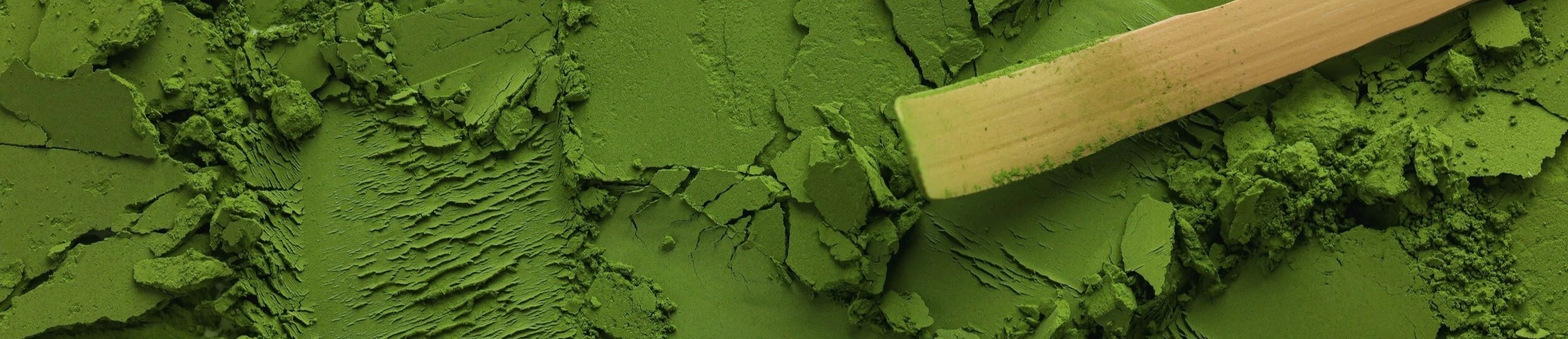
Matcha has a vibrant jade green color, due to the increased chlorophyll content that is retained during the shade-growing process. Lower quality green tea powders often have a yellow-brown hue.

TOUCH
At about 5-10 microns in size, a high-quality Matcha powder is very fine to the touch and feels similar to eye shadow. A low-quality Matcha has larger particle sizes, resulting in a coarser texture.

Need more details?
Visit our blog to learn more about Matcha, discover creative ways to use it in recipes, and explore tips for making the most of this vibrant ingredient.