

Understanding Matcha Freshness, Shelf Life, and Storage
Posted by Aiya Matcha on Oct 28th 2026 Reading time:
Can Matcha Go Bad?
Does Matcha go bad? Not necessarily. While Matcha can deteriorate over time, it typically loses its freshness, flavor, aroma, and vibrant green color before age alone becomes a reason to discard it. Like other green teas, Matcha is sensitive to air, light, heat, and moisture, all of which can affect its quality over time.
Whether you enjoy Ceremonial Matcha whisked with water or Culinary Matcha blended into a lattes, proper storage is essential to preserving its distinctive characteristics.
At Aiya Matcha, we believe understanding Matcha freshness starts with knowing what happens to the tea over time. From recognizing changes in color and flavor to understanding how different Matcha grades respond to storage, here's what you need to know about keeping your Matcha fresh.
Does Matcha Actually Expire?
Matcha doesn't necessarily become unusable simply because time has passed. Instead, its quality gradually changes as it is exposed to environmental factors such as oxygen, light, and heat.
Matcha is made from finely ground Tencha leaves, which means its flavor, aroma, and color can be affected by storage conditions. Over time, the powder may lose some of its vibrancy, develop a less pronounced aroma, or taste flatter than when it was first opened.
This is why it's helpful to distinguish between Matcha freshness and product safety.
A Matcha powder that has lost some of its bright green color or delicate aroma may simply have deteriorated in quality. However, Matcha that has become damp, developed visible mold, smells unusual, or may have been contaminated should not be consumed.
It's also important to check the best by date and follow the manufacturer's storage instructions. A best by date generally indicates the period during which a product is expected to maintain its intended quality under proper storage conditions. However, it should not be used as the sole indicator of a product's safety. If Matcha is past its best by date, its condition, packaging, storage history, and any signs of spoilage should be carefully considered. When in doubt, follow the manufacturer's guidance and discard the product if there are concerns about its safety or quality.
The bottom line: Matcha doesn't automatically become bad just because it has aged. Its freshness, flavor, aroma, and vibrant green color can decline over time, particularly if it hasn't been stored properly. However, a product's age or best-by date alone cannot establish whether it is safe to consume. Always follow the manufacturer's storage and handling recommendations.
How Can You Tell If Matcha Has Lost Its Freshness?
If you're wondering whether your Matcha is still at its best, there are four characteristics worth examining.
1. Color
Fresh Matcha typically has a jade green appearance, although the exact shade varies depending on the cultivar, growing conditions, processing methods, and product grade.
Over time, exposure to oxygen and light can cause Matcha to become duller, yellowish, or brownish. This change can indicate that the powder has lost some of its freshness.
2. Aroma
Fresh Matcha can have vegetal, sweet, or savory aromas, depending on its characteristics and grade. As Matcha ages, these aromas may become less pronounced. You might notice that the powder smells flatter than it did when you first opened it.
An unusual, musty, or rancid smell is different from simply having a weaker aroma. If your Matcha smells abnormal, it's best to avoid consuming it.
3. Flavor
Matcha naturally has a range of flavors, including umami, sweetness, and vegetal. These characteristics vary depending on the region the tea was grown in and how it is produced.
As Matcha deteriorates, its flavor may become less complex, its aroma less noticeable, and its overall taste less balanced. A Matcha that once tasted fresh and rounded may develop a flatter or harsher flavor.
These changes are especially noticeable when drinking Matcha prepared as Usucha (with water alone) since there are no additional ingredients to balance its flavor.
4. Texture
Matcha is a finely ground powder that can naturally develop small clumps during storage. However, moisture exposure can cause significant clumping and may create conditions that support mold growth.
If your Matcha is damp, shows visible mold, or has other signs of contamination, discard it. Do not taste it to determine whether it is safe.
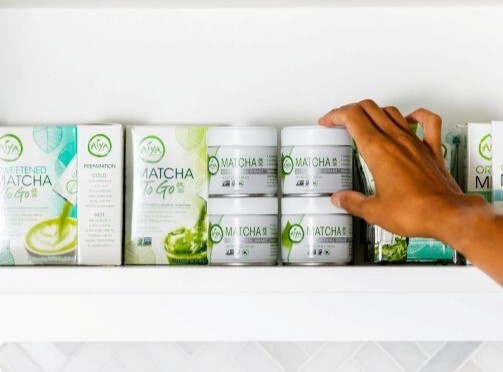
Does Ceremonial Matcha Go Bad Faster Than Culinary Matcha?
Both Ceremonial Matcha and Culinary Matcha can lose freshness over time. However, their different flavor profiles and intended uses can influence how noticeable those changes are.
Ceremonial Matcha
Ceremonial Matcha is generally intended to be enjoyed on its own as Usucha, traditionally whisked with water. Because it is consumed without milk, sweeteners, or other ingredients, its natural flavor and aroma are central to the experience.
When Ceremonial Matcha loses freshness, you may notice a duller green color, a less pronounced aroma, or a flatter flavor. These changes can be particularly noticeable when preparing Usucha.
For the best experience, store Ceremonial Matcha properly and follow the manufacturer's recommendations for freshness and storage after opening.
Culinary Matcha
Culinary Matcha is intended for applications such as lattes, baking, desserts, and other recipes. Depending on the product, its flavor profile may be selected to complement ingredients such as milk, sugar, chocolate, and flour.
Culinary Matcha can also lose its vibrant color, aroma, and flavor as it ages. These changes may be less noticeable when the powder is incorporated into a strongly flavored recipe, but that doesn't mean its freshness is unaffected.
Is one grade more shelf-stable than the other? Not necessarily. Ceremonial and Culinary describe different intended uses and product characteristics. Neither label automatically determines shelf life. Packaging, processing, storage conditions, and the manufacturer's guidance are more relevant when assessing how long a particular Matcha will retain its quality.
How Long Does Matcha Stay Fresh?
There isn't one universal shelf life for every Matcha product. How long Matcha retains its best flavor, aroma, and color depends on its packaging, processing, storage conditions, and whether the package has been opened.
To understand your Matcha's freshness, consider two things:
Before opening: Unopened Matcha can gradually lose quality over time, especially if it is stored in a warm, bright, or humid environment. Check the best by date and follow the manufacturer's storage recommendations.
After opening: Matcha is exposed to air and potentially light and moisture each time the package is opened. Keeping it tightly sealed and minimizing unnecessary exposure helps preserve its quality.
For the best flavor and aroma, enjoy your Matcha while it retains its characteristic color and freshness rather than assuming it will remain at peak quality indefinitely.
If your Matcha is past its best by date, assess its storage history and condition, and follow the manufacturer's guidance.
How Should You Store Matcha to Preserve Its Freshness?
Proper storage is one of the most effective ways to maintain Matcha's flavor, aroma, and vibrant green color.
1. Keep Matcha in an Airtight Container
Exposure to oxygen can contribute to changes in Matcha's color and flavor. Seal the package tightly after every use to limit unnecessary air exposure.
If you transfer Matcha to another container, choose one that is clean, dry, airtight, and suitable for protecting the powder from light.
2. Store Matcha Away From Light
Light exposure can accelerate changes in the pigments and other compounds responsible for Matcha's characteristic qualities.
Store Matcha in its original protective packaging or an opaque container in the fridge. Avoid leaving it on a sunny countertop or near a window.
3. Protect Matcha From Heat and Moisture
Heat can accelerate quality deterioration, while moisture can lead to clumping and create conditions that support mold growth.
Choose a cool, dry storage location away from stovetops, ovens, sinks, and other sources of heat and humidity. Always use a dry utensil when measuring Matcha.
Does Matcha Lose Its Benefits Over Time?
Matcha contains naturally occurring tea compounds, including catechins and other antioxidants. Their composition can change during storage, depending on factors such as oxygen, light, heat, and moisture exposure.
As Matcha deteriorates, its color, aroma, and flavor may change alongside some of its chemical characteristics. The extent of these changes varies by product and storage conditions.
Although Matcha that has lost some freshness may still retain some of its naturally occurring compounds, it shouldn't be assumed to have exactly the same composition as when it was freshly produced.
Proper storage helps preserve Matcha's overall quality, which is another reason to keep it sealed, cool, dry, and protected from light.
Frequently Asked Questions About Matcha Freshness
Can Matcha go bad if it is unopened?
Unopened Matcha can gradually lose freshness and quality over time, particularly if exposed to heat, light, or moisture. Check the best by date, inspect the packaging, and follow the manufacturer's storage recommendations.
Can you drink Matcha after the best by date?
A best by date generally indicates the period when a product is expected to retain its intended quality. Matcha doesn't automatically become unsafe the day after that date, but its condition and storage history matter. Avoid consuming Matcha that is damp, moldy, smells unusual, or may have been contaminated.
Why does Matcha turn yellow or brown?
Matcha can lose its vibrant green color as its pigments and other compounds change during storage. Oxygen, light, and heat can contribute to this deterioration. A change in color may indicate reduced freshness, although color alone cannot establish whether Matcha is safe to consume.
Does Ceremonial Matcha stay fresh longer than Culinary Matcha?
Not necessarily. Freshness depends on factors such as processing, packaging, and storage conditions rather than the grade name alone. However, changes in aroma and flavor may be more noticeable in Ceremonial Matcha because it is generally enjoyed on its own.
Can you still use Matcha that has lost its green color?
Matcha that has become dull or yellowish may have lost some of its freshness, flavor, and aroma. If it remains dry, has no unusual odor, shows no signs of contamination, and has been stored appropriately, a color change alone does not establish that it is unsafe. Follow the manufacturer's guidance and discard Matcha that shows signs of mold, moisture damage, or contamination.
Why does my Matcha taste more bitter than before?
Matcha's flavor can change as it loses freshness. A flatter or harsher taste may indicate deterioration, although bitterness can also depend on the tea's natural characteristics, water temperature, and preparation method.
Should Matcha be refrigerated after opening?
Refrigeration may help preserve quality when recommended, but condensation can introduce moisture. Keep Matcha tightly sealed and follow the manufacturer's storage instructions.
Can you freeze Matcha to preserve its freshness?
Freezing may help preserve quality under suitable conditions, but it requires careful moisture control. If the manufacturer permits freezing, use moisture-resistant, airtight packaging and let the sealed container reach room temperature before opening. Avoid repeatedly moving Matcha between cold and warm environments.
Enjoy Matcha at Its Freshest With Aiya Matcha
Matcha doesn't necessarily go bad simply because time has passed. Instead, it gradually changes, and its vibrant green color, fresh aroma, and distinctive flavor can become less pronounced.
Understanding how to recognize these changes and store Matcha properly helps you make the most of every serving, whether you're whisking Ceremonial Matcha for a traditional tea ritual or adding Culinary Matcha to your favorite recipes.
At Aiya Matcha, we believe that appreciating Matcha starts with understanding the tea itself. With proper storage and attention to freshness, you can better enjoy the qualities that make Japanese Matcha a distinctive part of your daily routine.