

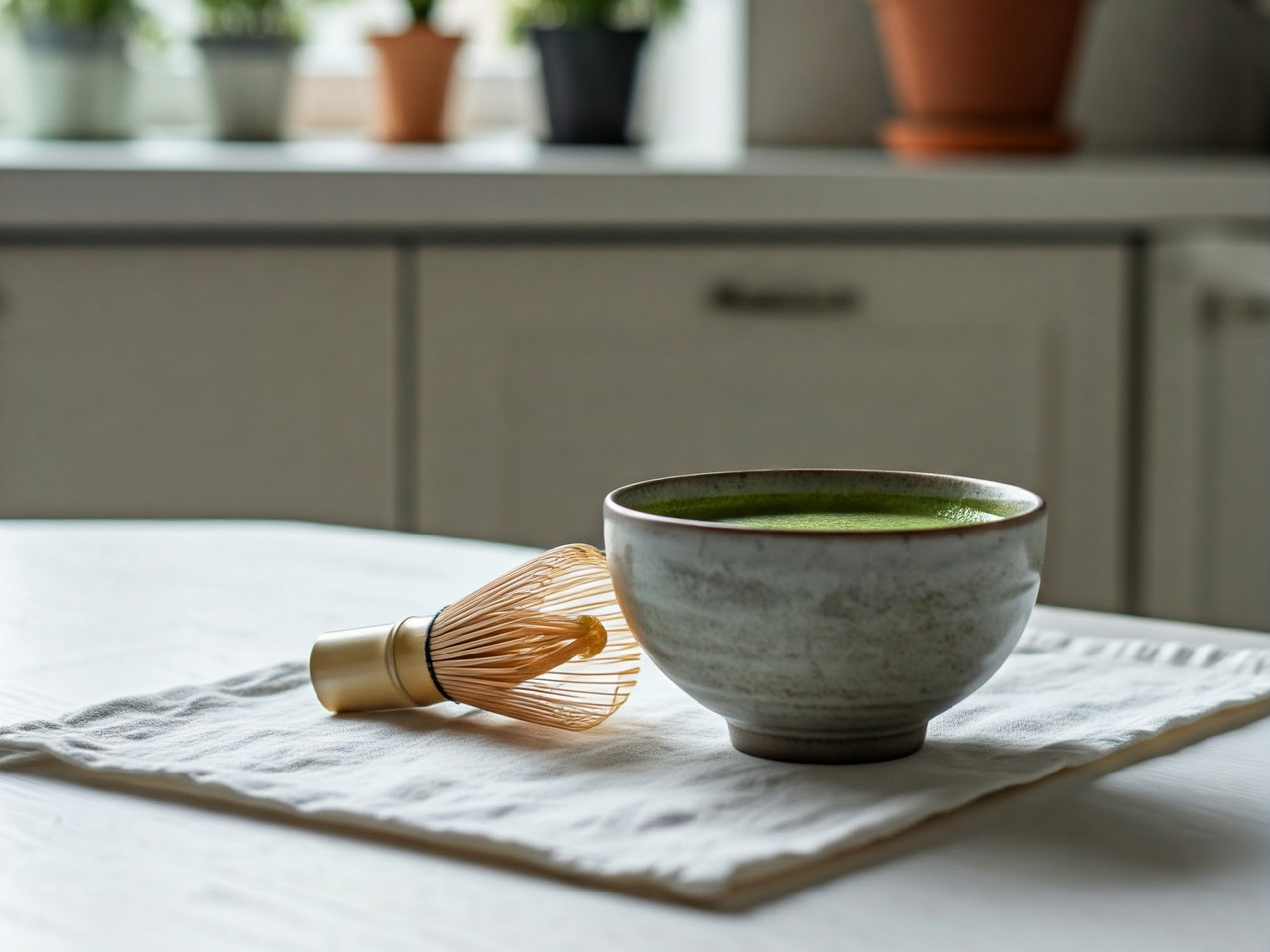
Matcha Mistakes Beginners Make
Posted by Aiya Matcha on Feb 4th 2026 Reading time:
... and how to fix them
Making a Matcha seems so simple: Matcha powder, hot water, whisk, done. But if you’ve ever made a cup that tasted bitter, flat, or just wrong, you’re not alone. Matcha can be a little fussy, and beginners often make the same handful of mistakes that keep them from experiencing how good it can actually be.
Let’s walk through the most common Matcha mistakes and exactly how to fix them.
1. Choosing Matcha Just Because It Says “Ceremonial”
One of the biggest beginner traps is assuming that any Matcha labeled Ceremonial Grade must be high quality. Unfortunately, that label isn’t regulated. Brands can use the word Ceremonial even on Matcha that is dull, bitter, or old.
How to fix it:
- Look beyond the label. Pay attention to color. It should be vibrant green, not yellowish or olive.
- Check the origin. Japanese Matcha from regions like Uji, Nishio, or Yame is usually a safer bet.
- Read ingredient lists. True Matcha should contain one ingredient only: Matcha green tea powder.
- Buy smaller tins at first so you can test quality without committing.
2. Using an Electric Whisk on True Ceremonial Matcha
Electric frothers are convenient, but they can work against high quality Ceremonial Grade Matcha. Spinning blades add too much agitation and heat, which can mute delicate flavors and create overly airy foam instead of a smooth texture.
How to fix it:
- Use a bamboo whisk, also called a Chasen, for Ceremonial Grade Matcha whenever possible.
- Whisk in a gentle W or M motion rather than circles to create even foam.
- If you use an electric whisk, reserve it for lattes or other grade of Matcha.
3. Not Using Culinary Matcha for Stronger Flavors
Another common mistake is using expensive Ceremonial Grade Matcha in smoothies, baked goods, or sweet drinks loaded with vanilla, chocolate, or syrups. Strong flavors can overpower Matcha, which wastes both money and quality.
How to fix it:
- Use Culinary Grade Matcha for lattes, smoothies, desserts, and baking.
- Save Ceremonial Grade Matcha for drinking as a tea (with water only).
- Choose Culinary Grade Matcha specifically labeled for beverages or baking, depending on your use.
4. Improper Storage
Matcha is extremely sensitive to light, heat, air, and moisture. Leaving it on the counter, near a window, or loosely sealed causes it to oxidize quickly.
How to fix it:
- Store Matcha in an opaque, airtight container.
- Keep it in a cool, dark place. A refrigerator works well if the container is tightly sealed.
- Use Matcha within one to two months of opening for the best flavor.
5. Using Water That’s Too Hot
Boiling water scorches Matcha. This pulls out harsh bitterness and destroys natural sweetness.
How to fix it:
- Let boiled water cool for a minute or two before using.
- Aim for a temperature between 160 and 175 degrees Fahrenheit.
- If you do not have a thermometer, mix a small amount of cool water into hot water first.
6. Skipping the Sifting Step
Clumpy Matcha does not dissolve well, no matter how hard you whisk. Lumps lead to uneven texture and bitter pockets.
How to fix it:
- Sift Matcha through a fine mesh sieve before adding water.
Matcha is not difficult, but it is particular. Once you avoid these common mistakes, you will notice smoother texture, brighter color, and a more balanced flavor.
With the right Matcha, proper tools, and a little care, your daily cup will become something you genuinely look forward to.